0
Welcome to your comprehensive guide on maintaining a bright and healthy smile! At The Smile Bar Bangkok, we’re passionate about helping you achieve optimal oral health through professional LED whitening and preventive care. While we’re not a full dental clinic, our team focuses on oral hygiene education and safe whitening treatments that support long-term dental wellness. Let’s explore practical tips and insights to care for your oral health.
The Importance of Oral Hygiene
A mother and her young daughter share a joyful moment while preparing to brush their teeth.
Understanding Oral Health
Oral health encompasses the well-being of your teeth and gums, as well as the entire oral cavity. Good dental care is more than just having a bright smile; it’s a crucial aspect of your overall health. When we prioritize care of your teeth, we prevent the accumulation of plaque, the primary culprit behind many oral health problems. Maintaining oral health includes consistent hygiene practices, like cleaning teeth and gums, which form the foundation of a healthy mouth. Ignoring oral health can lead to various issues, highlighting the need to practice good hygiene.
It’s important to note that The Smile Bar specializes in LED teeth whitening and preventive oral care. While we don’t perform medical procedures like fillings, root canals, or surgery, we emphasize plaque prevention, hygiene awareness, and safe whitening treatments. Our goal is to help you maintain a healthier, brighter smile while educating you on the best habits for long-term oral wellness.
The Link Between Oral Health and Overall Health
The connection between oral health and overall health is undeniable. Poor oral hygiene can affect your overall well-being. For example, gum inflammation can lead to discomfort and affect your daily life. Maintaining consistent hygiene helps prevent such issues and keeps your mouth healthy. By adopting better oral health practices, you’re not only protecting your oral but also safeguarding your general well-being. Maintaining a oral hygiene practices is a crucial investment in your overall health. Therefore, make sure you care about your teeth twice a day.
Consequences of Poor Oral Hygiene
Neglecting oral hygiene can lead to a host of unpleasant and potentially serious issues. Poor oral hygiene can cause several consequences; these include:
- Tooth decay
- Gum disease
- Tooth loss
These oral disease conditions can cause pain, discomfort, and even affect your ability to eat and speak properly. Furthermore, poor oral health has been linked to other health problems, emphasizing the importance of prioritizing your teeth and gums’ well-being. Therefore, it’s essential to understand the ramifications of poor hygiene and take proactive steps to maintain a healthy mouth and prevent plaque buildup.
Daily Oral Care Practices
Commit to active dental maintenance for a genuinely radiant and long-lasting beautiful smile.
Commit to active dental maintenance for a genuinely radiant and long-lasting beautiful smile.
Brushing Your Teeth: Techniques and Tips
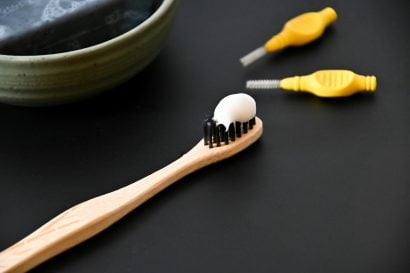
Brushing your teeth is the cornerstone of good dental care routine and is essential for maintaining optimal oral health. It is recommended to brush your teeth twice a day, using a fluoride toothpaste. The American Dental Association recommends using a soft-bristled toothbrush and employing gentle, circular motions to effectively remove plaque and debris from all surfaces of your teeth. Ensure you brush for at least two minutes, paying attention to the front, back, and chewing surfaces of each tooth. Don’t forget to brush your tongue to eliminate bacteria and freshen your breath. Consistent care of your teeth will keep your teeth and gums healthy and drastically reduce the risk of tooth decay and oral disease.
Maintaining a clean, healthy mouth is also the foundation for effective and safe whitening treatments. Plaque-free teeth respond better to LED whitening, giving you a brighter, longer-lasting smile while minimizing sensitivity.
Flossing: Why It Matters
Flossing is an indispensable part of your dental care routine, complementing the benefits of brushing. While a toothbrush cleans the surfaces of your teeth, floss reaches the areas that a toothbrush cannot, such as between your teeth and under the gums. Floss at least once a day to remove plaque and food and drinks particles, preventing the development of gum disease and maintaining better dental health. Proper flossing technique involves gently guiding the floss between each tooth, using a back-and-forth motion to dislodge debris. Regular use of floss is a simple yet powerful way to safeguard your gums and prevent oral health problems.
Using Mouthwash Effectively
Incorporating mouthwash or mouth rinse into your routine can provide additional benefits beyond cleaning teeth and gums. mouth rinse helps to rinse away loose debris, reduce plaque, and freshen breath. Choose a mouth rinse that contains fluoride to help strengthen your teeth and protect against tooth decay. Use mouth rinse after cleaning teeth and gums to maximize its effectiveness. Swish the mouth rinse around your mouth for about 30 seconds, ensuring it reaches all areas. While mouth rinse is a valuable addition to your hygiene practices, it should not replace cleaning your oral. Maintain a good hygiene for your health!
Maintaining Gum Health
A dentist uses a large computer monitor to show and explain a detailed dental X-ray image to a patient.
Signs of Gum Disease
Maintaining good mouth hygiene is crucial for preventing gum disease. Recognizing the signs of gum disease early can make a significant difference in your oral health. Common symptoms include red, swollen, or tender gums, bleeding while brushing or flossing, persistent bad breath, receding gums, and loose teeth. If you notice any of these signs, it’s essential to schedule a check-up with your dentist promptly. Early intervention and treatment can prevent the progression of gum disease and protect your oral, contributing to your health.
Preventive Care for Healthy Gums
Preventive care is key to maintaining healthy gums and preventing gum disease. Consistent mouth hygiene practices, such as brushing your teeth at least twice a day with a fluoride product and flossing daily, are essential for removing dental plaque and preventing its buildup. Regular dental check-ups and professional cleanings allow your dentist to detect and address any early signs of gum disease. Additionally, maintaining a balanced diet and avoiding tobacco use can further contribute to gum health.
Brushing Your Tongue: An Often Overlooked Step
Brushing your tongue is an often overlooked but essential step in your dental hygiene routine. Your tongue can harbor bacteria and debris that contribute to bad breath and may impact your overall oral health. Using your toothbrush or a tongue scraper, gently brush your tongue from back to front to remove these substances. This practice helps to freshen your breath, reduce bacteria levels in your mouth, and improve your overall hygiene. Incorporating tongue brushing into your daily routine can contribute to better dental health and hygiene.
Choosing the Right Oral Care Products
Using mouthwash helps reduce bacteria and plaque.
Fluoride Toothpaste: Benefits and Recommendations
Selecting the right products is crucial for maintaining optimal mouth hygiene. Fluoride toothpaste is a cornerstone of effective oral care, offering numerous benefits for your teeth. Fluoride strengthens tooth enamel, making it more resistant to tooth decay. The American Dental Association recommends using a fluoride as part of your daily mouth hygiene routine. When choosing a fluoride, look for the ADA seal of acceptance to ensure its safety and effectiveness. Consistent use of fluoride, combined with proper brushing techniques, can significantly improve your oral health.
Types of Mouthwash and Their Uses
Mouth rinse can enhance your routine. Different types offer specific benefits:
| Type of Mouthwash | Benefits |
|---|---|
| Fluoride | Strengthens tooth enamel and prevents tooth decay. |
| Antiseptic | Reduces bacteria and helps control gum disease. |
Cosmetic mouthwash freshens breath and may whiten teeth. Choose a mouth rinse tailored to your needs and follow the label instructions. Using mouth rinse daily can improve overall oral health.
Evaluating Oral Care Products
With a plethora of oral products available, it’s essential to evaluate your choices carefully to ensure you’re using the most effective options for your needs. Look for products that have been tested and approved by dental associations, such as the American Dental Association. Consider factors such as the ingredients, effectiveness, and suitability for your specific oral health concerns. Read reviews and consult with your dentist for personalized recommendations. By carefully evaluating oral products, you can make informed decisions that support your journey to a healthy smile. Remember to practice good hygiene!
Regular Dental Check-Ups
A Confident Smile is the direct result of good oral hygiene.
What to Expect During a Dental Visit
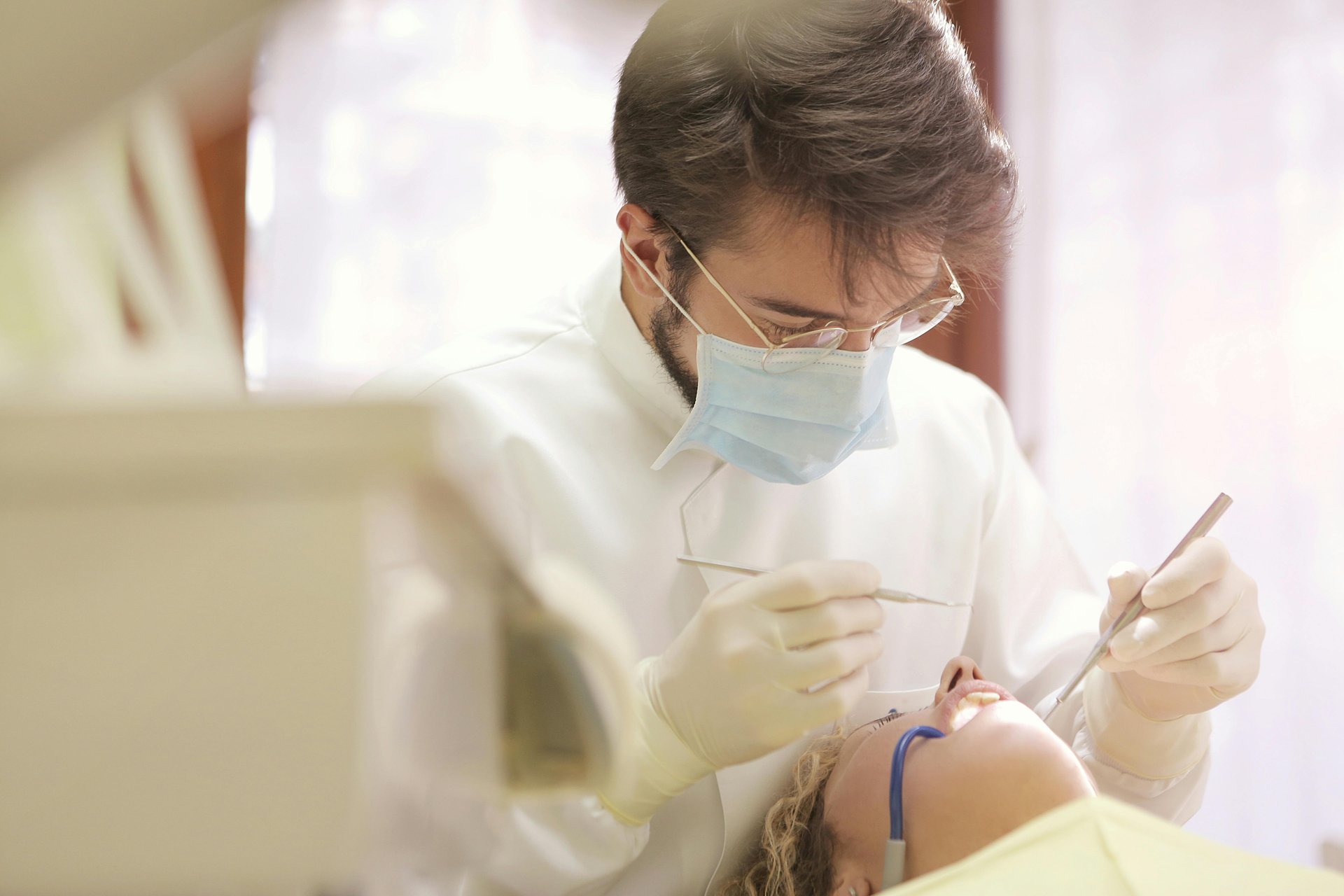
During a regular dental check-up, your dentist will perform a thorough examination of your oral health, assessing your oral for any signs of plaque, tooth decay, or gum disease. The dentist will also check for oral cancer and other oral health problems. Oral hygienists will clean your teeth, removing plaque and tartar buildup. Digital X-rays may be taken to detect any hidden issues. This comprehensive evaluation allows your dentist to provide personalized recommendations for maintaining good hygiene and addressing any concerns promptly. Make sure you go to the dentist regularly.
How Often Should You See the Dentist?
The frequency of check-ups varies depending on your individual oral health needs. The American Dental Association recommends visiting your dentist at least twice a year for a comprehensive examination and professional cleaning. However, some individuals may require more frequent regular dental visits, especially if they have a history of tooth decay, gum disease, or other oral health problems. Your dentist can assess your oral health and hygiene habits to determine the optimal schedule for your check-ups. Regular visits to the dentist are essential for maintaining better dental health and preventing oral disease.
Professional Treatments for Better Oral Health
In addition to regular check-ups and home oral care, professional treatments can further enhance your oral health. Professional teeth cleaning removes stubborn plaque and tartar that can’t be eliminated with brushing and flossing alone. Fluoride treatments can strengthen tooth enamel and protect against tooth decay. For individuals with gum disease, scaling and root planing can remove bacteria and promote healing. Your dentist can recommend the most appropriate professional treatments to address your specific needs and help you achieve optimal oral health, prevent oral cancer, and keep your oral healthy.
Tips for Families
Good oral hygiene should be practiced from a young age.
Creating a Family Oral Hygiene Routine
Establishing a family oral hygiene routine is essential for instilling good habits in children and maintaining oral health for everyone. Set specific times each day for brushing and flossing, and make it a family affair. Brush your teeth twice a day! Encourage each family member to use a fluoride product and floss daily. Make cleaning fun by playing music or turning it into a game. Lead by example and demonstrate the importance of good oral hygiene practices. By creating a consistent and enjoyable routine, you can ensure that your family maintains healthy smiles for years to come, and maintain good oral hygiene.
Teaching Kids About Good Oral Hygiene
Teaching kids about good oral hygiene early in life is crucial for their long-term oral health. Start by explaining the importance of cleaning your oral in simple terms that they can understand. Use age-appropriate tools, such as child-sized toothbrushes and flavored dental floss. Supervise their brushing and flossing techniques until they are old enough to do it correctly on their own. Reward them for practicing good oral hygiene, and make dental care a positive experience. Instilling these habits early on will set them up for a lifetime of better dental health and oral.
Addressing Common Dental Myths
Many misconceptions surround oral health, so it’s important to address common dental myths and provide accurate information. It’s important to address common dental myths and provide accurate information to empower informed decisions. One common myth is that sugar is the sole cause of tooth decay; other factors, such as bacteria and poor oral hygiene, also contribute. Another myth is that use dental floss is only necessary if you have food stuck in your teeth; in reality, flossing removes plaque and prevents gum disease. Educate your family about these myths and provide them with the facts. By dispelling misinformation, you can empower them to make informed decisions about their oral health.
Ready to brighten your smile?
Visit The Smile Bar Bangkok for safe, LED-powered teeth whitening using EU-certified gels with only 6% peroxide — gentle, non-invasive, and clinically proven.
Maintain your oral health and boost your confidence with a cleaner, whiter smile today!
👉 Book your whitening session now
Conclusion
Good oral hygiene isn’t just about brushing — it’s about building daily habits that keep your smile radiant for life. Brush and floss consistently, clean your tongue, and stay hydrated. Pair these habits with LED whitening treatments at The Smile Bar to maintain a brighter, healthier smile safely and effectively.
✨ The Smile Bar Bangkok — where preventive care meets brilliant smiles.

Handsome man very satisfied after his dental check-up & teeth whitening at The Smile Bar Bangkok
Frequently Asked Questions
why oral hygiene is important
- Oral hygiene is vital because it prevents two major issues: dental caries (tooth decay) and periodontal (gum) disease. These conditions can lead to pain, tooth loss, and expensive dental treatments. Maintaining clean teeth and healthy gums is the foundation for overall physical wellness, allowing you to speak, chew, and smile confidently.
How can I improve my oral hygiene?
- You can significantly improve your oral hygiene by adopting a consistent and thorough routine. This includes brushing twice daily for two minutes using a fluoride toothpaste, and most crucially, flossing (or using interdental brushes) once a day to clean areas where a toothbrush cannot reach. Also, consider using a therapeutic mouthwash and reducing your intake of sugary foods and drinks.
can oral hygiene affect mental health
- Yes, poor oral hygiene can indirectly impact mental health. Conditions like chronic bad breath, visible tooth decay, or tooth loss often lead to low self-esteem, social anxiety, and a reluctance to smile or speak in public. Conversely, a healthy, confident smile can boost self-worth and improve overall psychological well-being.
how to maintain oral hygiene
- To maintain excellent oral hygiene, you must follow a three-pronged approach: brushing, flossing, and professional care. Brush thoroughly morning and night, and use floss or interdental cleaning tools daily. Crucially, visit your dentist for a check-up and professional cleaning every six months to detect and treat problems early.
does bad oral hygiene cause mouth ulcers
- Bad oral hygiene is generally not the direct cause of common mouth ulcers (canker sores), which are usually triggered by stress, minor tissue injuries, or certain foods. However, poor hygiene can make an existing ulcer worse or increase the risk of secondary infection by allowing bacteria to thrive in the mouth.
what’s poor oral hygiene
- Poor oral hygiene is defined as the lack of effective and regular cleaning practices, leading to a build-up of dental plaque (a sticky film of bacteria) and subsequently, calculus (tartar). This neglect results in chronic bad breath, yellowing teeth, and is the primary cause of preventable oral diseases like gingivitis (gum inflammation) and periodontitis (severe gum disease).
when should oral hygiene be performed
- Oral hygiene should be performed at least twice a day: once in the morning after waking up (or after breakfast) and most importantly, before going to bed at night. Cleaning before bed is essential as saliva flow decreases during sleep, making the mouth more susceptible to bacterial attack. Flossing should be performed once daily, ideally at night.
what are oral hygiene tips
- Key tips include replacing your toothbrush every three to four months, using a pea-sized amount of fluoride toothpaste, and cleaning your tongue to reduce bacteria that cause bad breath. Remember not to rinse with water immediately after brushing, as this washes away the protective fluoride.